Chapter: Morphology of Flowering Plants
0 of 108 questions completed
Questions:
- 1
- 2
- 3
- 4
- 5
- 6
- 7
- 8
- 9
- 10
- 11
- 12
- 13
- 14
- 15
- 16
- 17
- 18
- 19
- 20
- 21
- 22
- 23
- 24
- 25
- 26
- 27
- 28
- 29
- 30
- 31
- 32
- 33
- 34
- 35
- 36
- 37
- 38
- 39
- 40
- 41
- 42
- 43
- 44
- 45
- 46
- 47
- 48
- 49
- 50
- 51
- 52
- 53
- 54
- 55
- 56
- 57
- 58
- 59
- 60
- 61
- 62
- 63
- 64
- 65
- 66
- 67
- 68
- 69
- 70
- 71
- 72
- 73
- 74
- 75
- 76
- 77
- 78
- 79
- 80
- 81
- 82
- 83
- 84
- 85
- 86
- 87
- 88
- 89
- 90
- 91
- 92
- 93
- 94
- 95
- 96
- 97
- 98
- 99
- 100
- 101
- 102
- 103
- 104
- 105
- 106
- 107
- 108
Information
Subject: Biology
Syllabus: Morphology of Flowering Plants
Duration: 1 Hr.
Read the following instruction carefully.
- There are 60 total questions in this test
- Each question has 4 options out of which only one is correct.
- You will be awarded 4 points for each correct answer and 1 point will be deducted for each wrong answer.
- Try not to guess the answer as there is negative marking.
- Your Score & Rank will be shown after submitting the test.
- In this quiz you are going to check your conceptual knowledge.
You have already completed the Test before. Hence you can not start it again.
Test is loading...
You must sign in or sign up to start the Test.
You have to finish following quiz, to start this Test:
Your results are here!! for" NPY_11_Bio_05_05_Morphology of Flowering Plant "
0 of 108 questions answered correctly
Your time:
Time has elapsed
Your Final Score is : 0
You have attempted : 0
Number of Correct Questions : 0 and scored 0
Number of Incorrect Questions : 0 and Negative marks 0
| Average score |
|
| Your score |
|
-
Not categorized
You have attempted: 0
Number of Correct Questions: 0 and scored 0
Number of Incorrect Questions: 0 and Negative marks 0
-
Level 1
You have attempted: 0
Number of Correct Questions: 0 and scored 0
Number of Incorrect Questions: 0 and Negative marks 0
-
Dear $form{0} you have completed this test.
| Pos. | Name | Entered on | Points | Result |
|---|---|---|---|---|
| Table is loading | ||||
| No data available | ||||
- 1
- 2
- 3
- 4
- 5
- 6
- 7
- 8
- 9
- 10
- 11
- 12
- 13
- 14
- 15
- 16
- 17
- 18
- 19
- 20
- 21
- 22
- 23
- 24
- 25
- 26
- 27
- 28
- 29
- 30
- 31
- 32
- 33
- 34
- 35
- 36
- 37
- 38
- 39
- 40
- 41
- 42
- 43
- 44
- 45
- 46
- 47
- 48
- 49
- 50
- 51
- 52
- 53
- 54
- 55
- 56
- 57
- 58
- 59
- 60
- 61
- 62
- 63
- 64
- 65
- 66
- 67
- 68
- 69
- 70
- 71
- 72
- 73
- 74
- 75
- 76
- 77
- 78
- 79
- 80
- 81
- 82
- 83
- 84
- 85
- 86
- 87
- 88
- 89
- 90
- 91
- 92
- 93
- 94
- 95
- 96
- 97
- 98
- 99
- 100
- 101
- 102
- 103
- 104
- 105
- 106
- 107
- 108
- Answered
- Review
-
Question 1 of 108
1. Question
4 pointsIdentify the incorrect statement.
-
Question 2 of 108
2. Question
4 pointsThe roots that originate from the base of the stem are
-
Question 3 of 108
3. Question
4 pointsPneumatophores occur in
-
Question 4 of 108
4. Question
4 pointsPlants, which produce characteristic pneumatophores and show vivipary belong to
-
Question 5 of 108
5. Question
4 pointsRoots play insignificant role in absorption of water in
-
Question 6 of 108
6. Question
4 pointsRoots of which plant contains an oxidising agent?
-
Question 7 of 108
7. Question
4 pointsThe plant, which bears clinging roots, is
-
Question 8 of 108
8. Question
4 pointsThe plant which bears clingingroots is
-
Question 9 of 108
9. Question
4 pointsButtress roots are found in
-
Question 10 of 108
10. Question
4 pointsVelamen is found in
-
Question 11 of 108
11. Question
4 pointsIn Bougainvillea thorns are the modifications of
-
Question 12 of 108
12. Question
4 pointsStems modified into flat green organs performing the functions of leaves are known as
-
Question 13 of 108
13. Question
4 pointsWhich of the following is not a stem modification?
-
Question 14 of 108
14. Question
4 pointsAn example of edible underground stem is
-
Question 15 of 108
15. Question
4 pointsThe ‘eyes’ of the potato tuber are
-
Question 16 of 108
16. Question
4 pointsVegetative propagation in mintoccurs by
-
Question 17 of 108
17. Question
4 pointsVegetative reproduction of Agave occurs through
-
Question 18 of 108
18. Question
4 pointsNew banana plants develop from
-
Question 19 of 108
19. Question
4 pointsLarge, empty colourless cells of the adaxial epidermis along the veins of grass leaves are
-
Question 20 of 108
20. Question
4 pointsWhich of the following shows whorled phyllotaxy?
-
Question 21 of 108
21. Question
4 pointsPhyllode is present in
-
Question 22 of 108
22. Question
4 pointsChoose the correct match. Bladderwort, Sundew, Venus fly trap
-
Question 23 of 108
23. Question
4 pointsHypanthodium is
-
Question 24 of 108
24. Question
4 pointsA family delimited by type of inflorescence is
-
Question 25 of 108
25. Question
4 pointsCorrect position of floral parts over thalamus in mustard plant is
-
Question 26 of 108
26. Question
4 pointsRay florets have
-
Question 27 of 108
27. Question
4 pointsThe ovary is half inferior in
-
Question 28 of 108
28. Question
4 pointsPlacentation in which ovules develop on the inner wall of the ovary or in peripheral part, is
-
Question 29 of 108
29. Question
4 pointsBicarpellary ovary with obliquely placed septum is seen in
-
Question 30 of 108
30. Question
4 pointsMatch the placental types (Column I) with their examples (Column II)
Column I Column II Basal Mustard Axile China rose Parietal Dianthus Free-central Sunflower Select the correct option from the following
-
Question 31 of 108
31. Question
4 pointsThe standard petal of a papilionaceous corolla is also called
-
Question 32 of 108
32. Question
4 pointsTricarpellary, syncarpous gynoecium is found in flowers of
-
Question 33 of 108
33. Question
4 pointsFree-central placentation is found in
-
Question 34 of 108
34. Question
4 pointsRadial symmetry is found in the flowers of
-
Question 35 of 108
35. Question
4 pointsHow many plants among Indigofera, Sesbania, Salvia, Allium, Aloe, mustard, groundnut, radish, gram and turnip have stamens with different lengths in their flowers?
-
Question 36 of 108
36. Question
4 pointsThe term ‘polyadelphous’ is related to
-
Question 37 of 108
37. Question
4 pointsFlowers are unisexual in
-
Question 38 of 108
38. Question
4 pointsAxile placentation is present in
-
Question 39 of 108
39. Question
4 pointsAmong China rose, mustard, brinjal, potato, guava, cucumber, onion and tulip, how many plants have superior ovary?
-
Question 40 of 108
40. Question
4 pointsPlacenta and pericarp are both edible portions in
-
Question 41 of 108
41. Question
4 pointsWhen the margins of sepals or petals overlap one another without any particular direction, the condition is termed as
-
Question 42 of 108
42. Question
4 pointsAmong bitter gourd, mustard, brinjal, pumpkin, China rose, lupin, cucumber, sunnhemp, gram, guava, bean, chilli, plum, Petunia, tomato, rose, Withania, potato, onion, aloe and tulip, how many plants have hypogynous flower?
-
Question 43 of 108
43. Question
4 pointsIn China rose the flowers are
-
Question 44 of 108
44. Question
4 pointsPlacentation in tomato and lemon is
-
Question 45 of 108
45. Question
4 pointsCymose inflorescence is present in
-
Question 46 of 108
46. Question
4 pointsThe gynoecium consists of many free pistils in flowers of
-
Question 47 of 108
47. Question
4 pointsWhich one of the following statements is correct?
-
Question 48 of 108
48. Question
4 pointsFlowers are zygomorphic in
-
Question 49 of 108
49. Question
4 pointsThe ovary is half inferior in flowers Of
-
Question 50 of 108
50. Question
4 pointsKeel is characteristic of the flowers of
-
Question 51 of 108
51. Question
4 pointsIn unilocular ovary with a single ovule, the placentation is
-
Question 52 of 108
52. Question
4 pointsThe technical term used for the androecium in a flower of China rose (Hibiscus rosa sinensis) is
-
Question 53 of 108
53. Question
4 pointsAn example of axile placentation is
-
Question 54 of 108
54. Question
4 pointsWhat type of placentation is seen in sweet pea?
-
Question 55 of 108
55. Question
4 pointsLong filamentous threads protruding at the end of the young cob of maize are
-
Question 56 of 108
56. Question
4 pointsBicarpellary gynoecium and oblique ovary occurs in
-
Question 57 of 108
57. Question
4 pointsThe type of placentation in which ovary is syncarpous, unilocular and ovules on sutures is called
-
Question 58 of 108
58. Question
4 pointsAngiosperm to which the largest flowers belong is
-
Question 59 of 108
59. Question
4 pointsFloral features are chiefly used in angiosperms identification because
-
Question 60 of 108
60. Question
4 pointsWhich one yields fibre?
-
Question 61 of 108
61. Question
4 pointsIdentify the correct features of mango and coconut fruits.
(i) In both fruit is a drupe
(ii) Endocarp is edible in both
(iii) Mesocarp in coconut is fibrous and in mango it is fleshy
(iv) In both, fruit develops from monocarpellary ovary
Select the correct option. -
Question 62 of 108
62. Question
4 pointsAn aggregate fruit is one which develops from
-
Question 63 of 108
63. Question
4 pointsHow many plants in the list given below have composite fruits that develop from an inflorescence?
Walnut, poppy, radish, fig, pineapple, apple, tomato, mulberry -
Question 64 of 108
64. Question
4 pointsThe coconut water and the edible part of coconut are equivalent to
-
Question 65 of 108
65. Question
4 pointsA drupe develops in
-
Question 66 of 108
66. Question
4 pointsA fruit developed from hypanthodium inflorescence is called
-
Question 67 of 108
67. Question
4 pointsThe fruit is chambered, developed from inferior ovary and has seeds with succulent testa in
-
Question 68 of 108
68. Question
4 pointsThe fleshy receptacle of syconous of fig encloses a number of
-
Question 69 of 108
69. Question
4 pointsDry indehiscent single-seeded fruit formed from bicarpellary syncarpous inferior ovary is
-
Question 70 of 108
70. Question
4 pointsPineapple (ananas) fruit develops from
-
Question 71 of 108
71. Question
4 pointsJuicy hair-like structures observed in the lemon fruit develop from
-
Question 72 of 108
72. Question
4 pointsEdible part in mango is
-
Question 73 of 108
73. Question
4 pointsGeocarpic fruits are produced by
-
Question 74 of 108
74. Question
4 pointsGeocarpic fruit is
-
Question 75 of 108
75. Question
4 pointsWhich is correct pair for edible part?
-
Question 76 of 108
76. Question
4 pointsEdible part of banana is
-
Question 77 of 108
77. Question
4 pointsEdible part in litchi is
-
Question 78 of 108
78. Question
4 pointsWhich plant will lose its economic value if its fruits are produced by induced parthenocarpy?
-
Question 79 of 108
79. Question
4 pointsWhich one of the following is a true fruit?
-
Question 80 of 108
80. Question
4 pointsWhich part of the coconut produces coir?
-
Question 81 of 108
81. Question
4 pointsMango juice is got from
-
Question 82 of 108
82. Question
4 pointsFruit of groundnut is
-
Question 83 of 108
83. Question
4 pointsThe body of the ovule is fused within the funicle at
-
Question 84 of 108
84. Question
4 pointsPersistent nucellus in the seed is known as
-
Question 85 of 108
85. Question
4 pointsThe morphological nature of the edible part of coconut is
-
Question 86 of 108
86. Question
4 pointsWhich one of the following statements is correct?
-
Question 87 of 108
87. Question
4 pointsSeed coat is not thin, membranous in
-
Question 88 of 108
88. Question
4 pointsPerisperm differs from endosperm in
-
Question 89 of 108
89. Question
4 pointsCotyledons and testa are edible parts of
-
Question 90 of 108
90. Question
4 pointsAn example of a seed with endosperm, perisperm and caruncle is
-
Question 91 of 108
91. Question
4 pointsIn a cereal grain the single cotyledon of embryo is represented by
-
Question 92 of 108
92. Question
4 pointsThe embryo in sunflower has
-
Question 93 of 108
93. Question
4 pointsHeterospory and seed habit are often discussed in relation to a structure called
-
Question 94 of 108
94. Question
4 pointsPlant having column of vascular tissues, bearing fruits and having a tap root system is
-
Question 95 of 108
95. Question
4 pointsVivipary is
-
Question 96 of 108
96. Question
4 pointsOil reserve of groundnut is present in
-
Question 97 of 108
97. Question
4 pointsVivipary is characteristics of
-
Question 98 of 108
98. Question
4 pointsMatch the Column -I with Column -II.
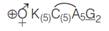
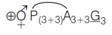
Column I Column II A. 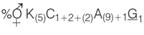
1. Brassicaceae B. 2. Liliaceae C. 3. Fabaceae D. 4. Solanacea Select the correct answer from the options given below.
-
Question 99 of 108
99. Question
4 pointsWhich of the following is the correct floral formula of Liliaceae?
-
Question 100 of 108
100. Question
4 pointsVexillary aestivation is characteristic of the family
-
Question 101 of 108
101. Question
4 pointsThe correct floral formula of chilli is
-
Question 102 of 108
102. Question
4 pointsWhich of the following is a correct pair?
-
Question 103 of 108
103. Question
4 pointsMatch the following and indicate which is correct?
-
Question 104 of 108
104. Question
4 pointsTetradynamous stamens are found in family
-
Question 105 of 108
105. Question
4 pointsPulses are obtained from
-
Question 106 of 108
106. Question
4 pointsEpipetalous and syngenesious stamens occur in
-
Question 107 of 108
107. Question
4 pointsBotanical name of cauliflower is
-
Question 108 of 108
108. Question
4 pointsFloral formula of tomato/tobacco is